Motocross/Dirt Bike Batteries
-
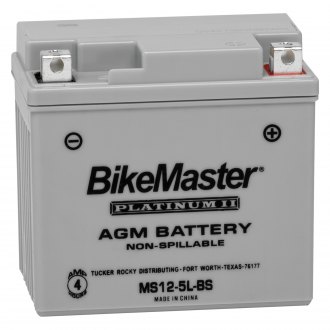
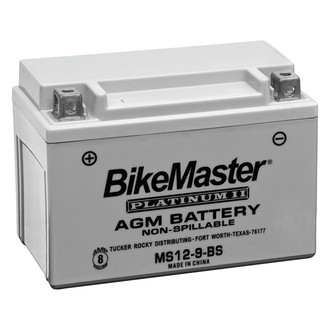
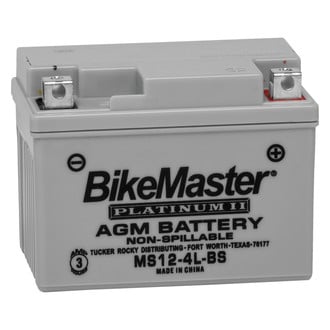
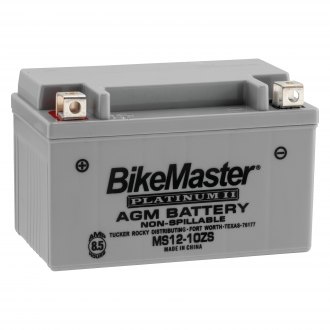
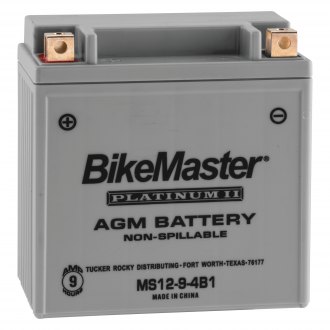
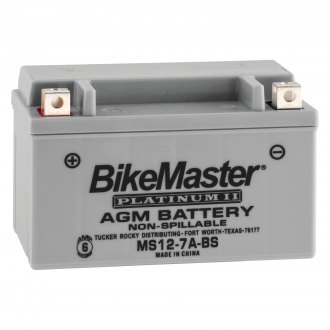
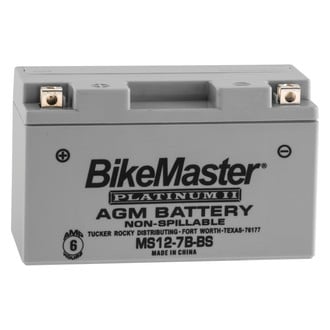
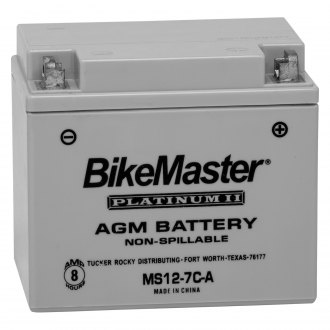 BikeMaster® - AGM Platinum II Battery$18.49 - $102.69
 -
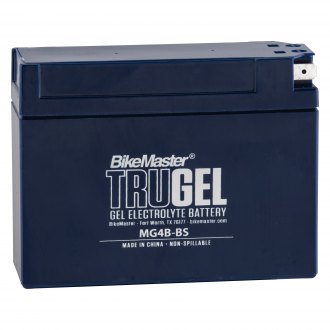
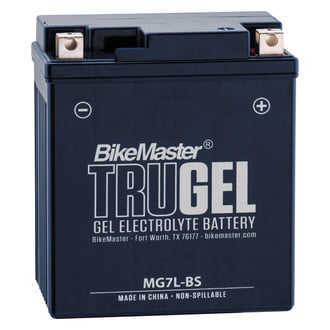
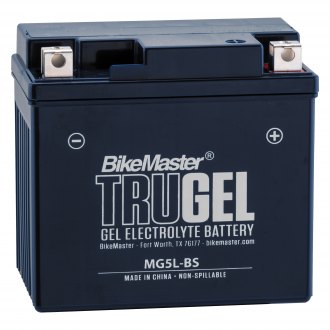
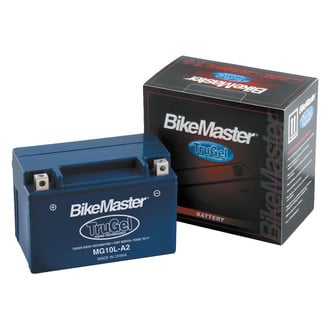
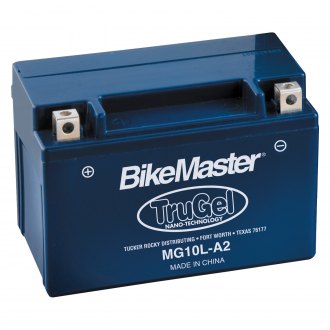 BikeMaster® - TruGel Battery$19.27 - $98.70
 -
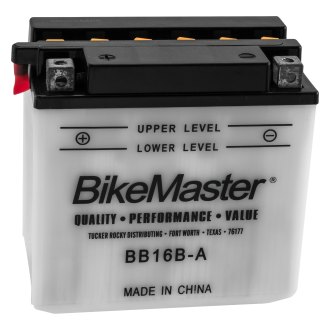 BikeMaster® - Conventional Battery$12.38 - $119.25
 -
 BikeMaster® - High-Performance Maintenance-Free Battery$33.15 - $85.29
 - BikeMaster® - Maintenance-Free Battery$19.26 - $120.07
-
-
- Metra® - AGM Battery$193.99 - $253.99
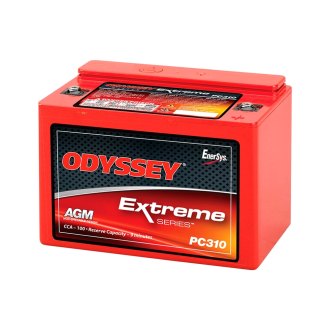
- Odyssey® - Extreme Series™ Battery$261.99 - $327.99
- Tytaneum® - High Performance Conventional Battery$29.39 - $107.52
- Tytaneum® - Maintenance Free Battery$42.26 - $87.88
-
-
-
-
-
-
-
-
-
-
-
-
-
-
-
-
-
-
-
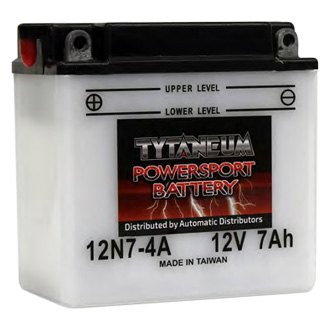
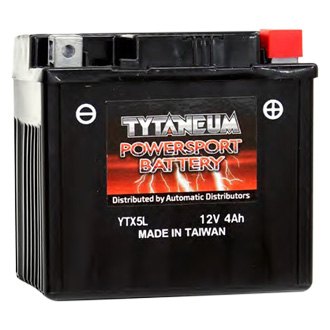
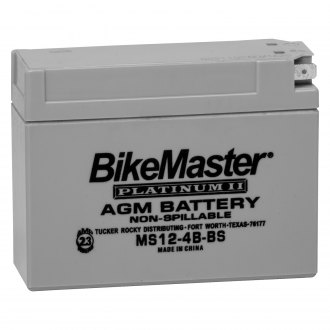
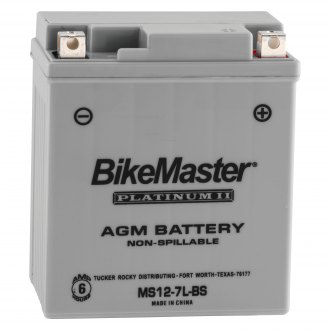


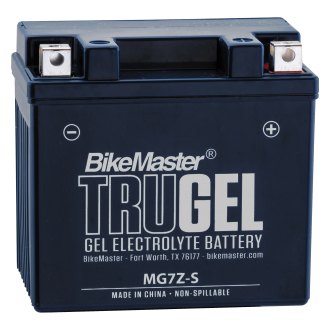
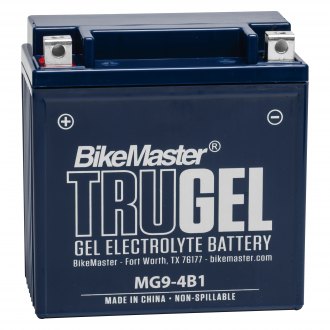
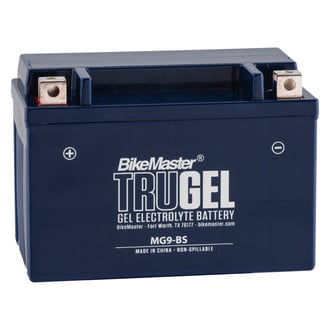
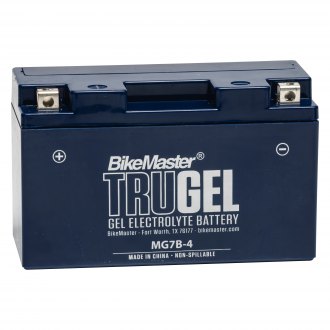
Earlier motorcycles didn’t need a battery to start the engine. A swift kick of a lever – and a bike was ready to roll. But technology is constantly evolving and now motorcycles, including motocross and dirt bikes, have an advanced lighting system, electronic fuel injection, and in most cases electric start. They come equipped with a battery that provides the required power to start the engine and keep it running at optimal performance. Motorcycle batteries also provide backup power for bike’s electronic parts and accessories when the engine is not running and help protect them from damage by preventing surges and spikes.
No matter how well you maintain your battery, it can’t last forever. Depending on the type, motorcycle batteries have an average service life of three to four years. If you find yourself in need of a new battery for your motocross or dirt bike, we have you covered. In our online store, we’ve gathered a comprehensive selection of motocross/dirt bike batteries made by industry-leading manufacturers. Whether you just want to replace your dead stock battery or are looking to upgrade to a more powerful battery, we have it all. But since motorcycle batteries are available in various types, choosing the best option can be difficult. So what factors to consider when shopping for a dirt/motocross bike battery?
To determine which battery will work best for you, it’s necessary to understand the difference between battery types. Basically there are three main types of batteries used in motorcycles: wet cell batteries (also known as flooded lead acid batteries), AGM (absorbed glass mat) sealed batteries, and gel cell batteries. Lead acid batteries are the oldest and most affordable option of all battery types. They feature lead plates (negative electrode) and lead oxide plates (positive electrode) both immersed in water and sulfuric acid acting as an electrolyte. The ions react with the liquid electrolyte that moves freely in the cell compartment and the material on the electrode. The chemical reactions cause a buildup of the electrons which flow through the external circuit producing electrical current. These batteries should be regularly checked and topped with distilled water when the battery dries out.
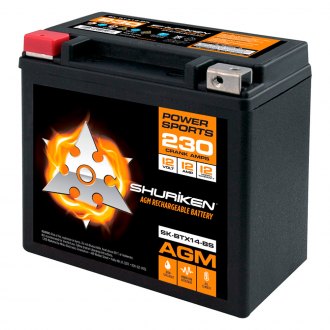
Over time, maintenance-free batteries start to appear on the market. Unlike conventional wet lead acid batteries, they shouldn’t be kept in an upright position and don’t require topping up. AGM batteries are the most common type of sealed batteries used in motorcycles. They feature a high-quality fiberglass mat placed between the electrodes which helps prevent slippage by absorbing the electrolyte. These batteries work under high pressure which allows the oxygen and hydrogen produced when the battery is charged to recombine back into water, so they won’t dry out. AGM batteries deliver excellent resistance to heat and vibration, resulting in long-lasting service.
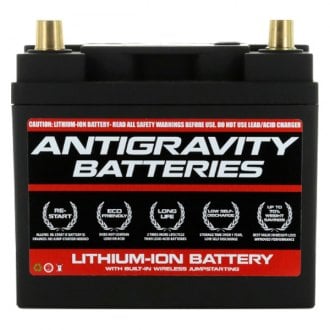
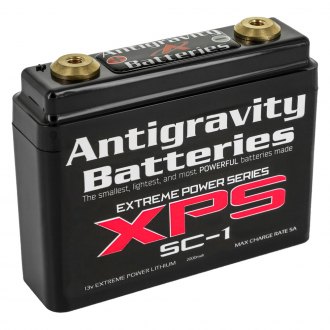
Gel cell batteries are similar to AGM batteries because they are also hermetically sealed and not refillable. These batteries have the fumed silica additive which holds the electrolyte in a gel state. This type of battery is often preferable in motorcycles where the battery has to be located at an angle since the gel electrolyte is not moving around. Over the last several years, more and more manufacturers start offering lithium-ion batteries for motorcycles. Unlike conventional and AGM batteries, they have a positive electrode made of lithium-cobalt oxide (LiCoO2) or lithium iron phosphate (LiFePO4) and a negative electrode made of carbon or graphite. While the energy efficiency of the lithium-ion batteries is lower compared to other battery types, they are more thermally and chemically stable, which makes them virtually incombustible. What’s more, they are considerably lighter compared to conventional batteries and have higher cranking amps.