Motorcycle Brake Fluids
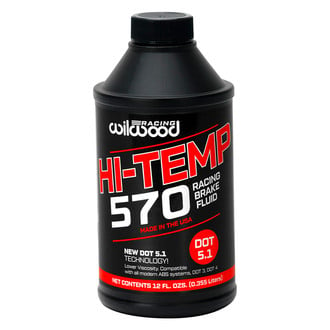
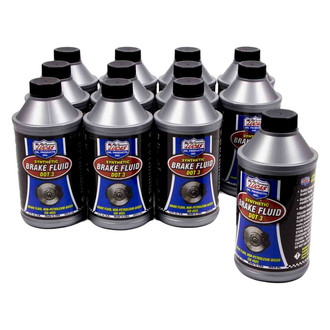
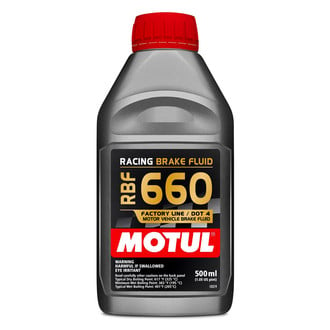
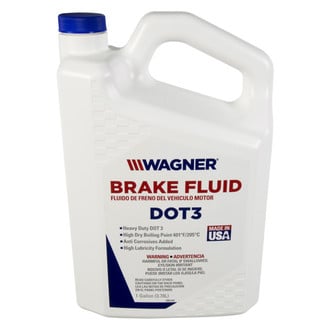
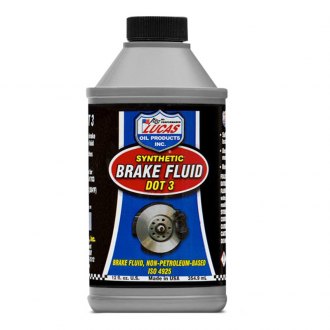
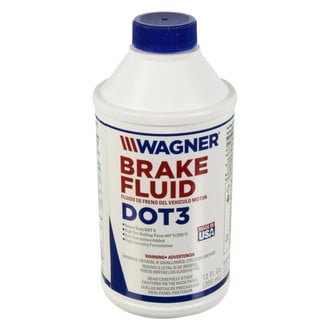
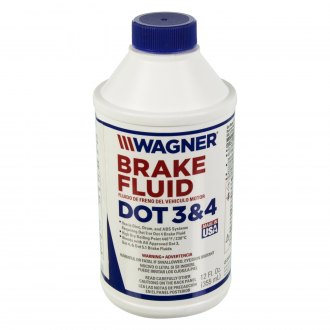
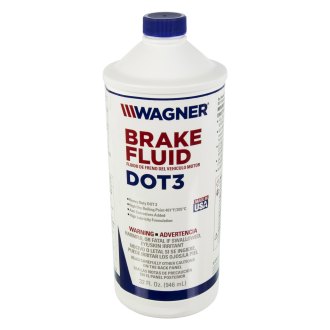
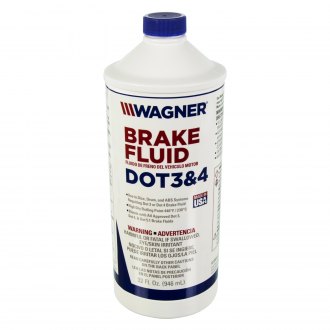
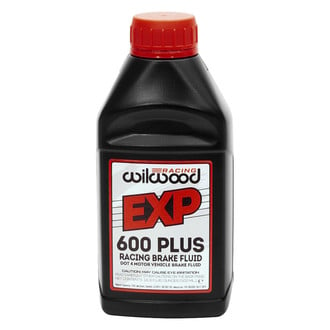
The majority of modern motorcycles are equipped with hydraulic braking systems that transform the physical force applied by the rider to the brake lever into the pressure that pushes brake pads into brake discs or drums. The lifeblood of any hydraulic braking system is non-compressible brake fluid that needs to have a high boiling point to withstand high temperatures produced during braking. Also, it must have relatively constant viscosity throughout the whole range of working temperatures. The U.S. Department of Transportation (DOT) regulates the types of motorcycle brake fluids that can be used by regular riders and professional racers classifying them depending on their boiling point.
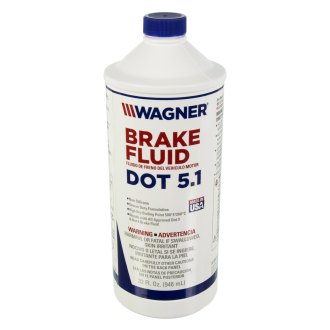
The most common types of motorcycle brake fluids (DOT 3, DOT 4, and DOT 5.1) are glycol-based. The higher the number, the higher the boiling point. It means that the DOT 5.1, for example, can withstand higher loads longer without losing its hydraulic properties and is recommended for track use. When brake fluid starts to boil, it partly turns into vapor becoming more compressible, which means it can no longer transform your physical inputs into pressure properly making your brakes less effective. However, glycol-based brake fluids are hygroscopic. The higher the boiling point, the faster the fluid absorbs moisture. When the percentage of water rises, the boiling point of the brake fluid drops drastically.
The DOT 5 is silicone-based and it does not absorb water, but the downside is that silicone-based fluids are more compressible than their glycol-based analogs, which means that they cannot offer the same braking performance. Silicone-based and glycol-based brake fluids cannot be mixed. They are color-coded so that users don’t mix them accidentally. DOT 3, DOT 4, and DOT 5.1 are clear yellowish fluids, while DOT 5 has a bright purple color. You can find the type of brake fluid used in your motorcycle in your owner’s manual. It is highly advisable to follow the manufacturer's recommendations when performing a scheduled change of brake fluid.
In general, if you ride your motorcycle on regular roads, your brake fluid needs to be changed every one or two years depending on the use and type of fluid. DOT 5.1 must be changed more often than DOT 4 and so on. Check your service schedule to know for sure. If you often test your riding skills on the track, changing your brake fluid once a year or even on a more frequent basis is always a good idea. In this case, the performance-oriented DOT 5.1 is preferred. When changing the glycol-based brake fluid, be careful. If such a liquid gets on your paint finish, it can damage it.
To change the brake fluid, put your motorcycle on a stand. Make sure that it is secured and positioned horizontally. If the engine is hot, let it cool down for about 30 minutes. Prepare a container for the used fluid. Open the master cylinder reservoir that contains the brake fluid. Remove the drain’s cap and place a tube on the drain screw. Pump out a small amount of used fluid and leave a tube in a container to prevent air bubbles from getting inside the system. You can swap the used fluid by adding new into the reservoir while pumping the old liquid out.