Motorcycle Spark Plugs & Components
-
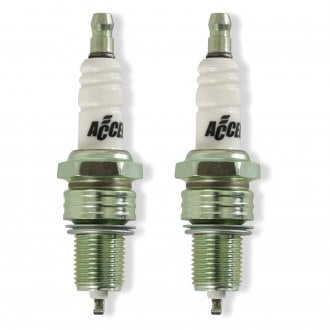 ACCEL® - Platinum Spark Plugs$30.35 - $38.43
 -
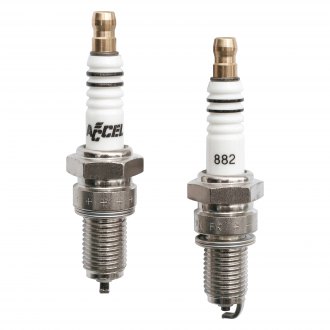
-
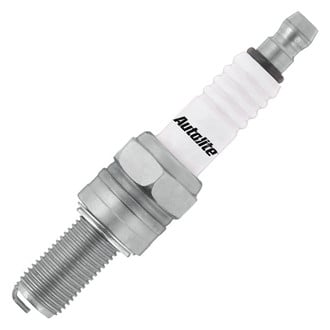 Autolite® - Copper Spark Plug$1.29 - $2.82
 -
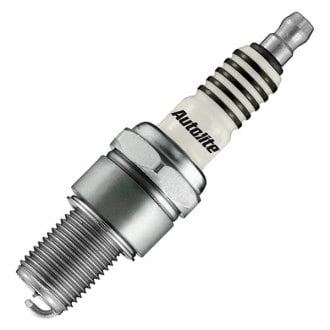
 Autolite® - Xtreme Sport™ Iridium Spark Plug$3.71 - $3.72
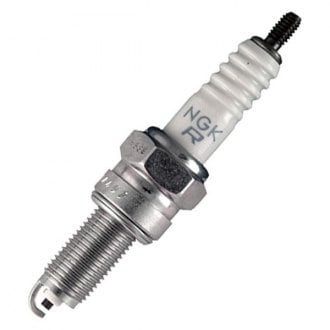
 - NGK® - Standard Nickel Spark Plug$8.98 - $11.55
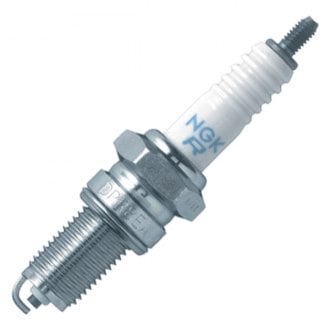
- NGK® - Standard Spark Plug$5.55 - $12.25
-
-
-
-
-
-
-
-
-
-
-
-
- Save 5%
- Save 5%Denso® - Iridium Long Life™ Spark Plug (3509)$21.81$22.95Save $1.14 (5%)
- Save 5%Denso® - Iridium Long Life™ Spark Plug (5313)$10.38$10.92Save $0.54 (5%)
- Save 5%Denso® - Iridium Long Life™ Spark Plug (3501)$14.61$15.37Save $0.76 (5%)
- Save 5%Denso® - Iridium Long Life™ Spark Plug (3426)$18.60$19.58Save $0.98 (5%)
- Save 5%Denso® - Iridium Long Life™ Spark Plug (3441)$14.12$14.86Save $0.74 (5%)
- Save 5%Denso® - Iridium Long Life™ Spark Plug (3443)$14.30$15.05Save $0.75 (5%)
- Save 5%Denso® - Iridium Long Life™ Spark Plug (3370)$13.55$14.26Save $0.71 (5%)
- Save 5%Denso® - Iridium Long Life™ Spark Plug (3436)$18.85$19.84Save $0.99 (5%)
- Save 5%Denso® - Iridium Long Life™ Spark Plug (3478)$19.94$20.99Save $1.05 (5%)
- Save 5%
- Save 5%
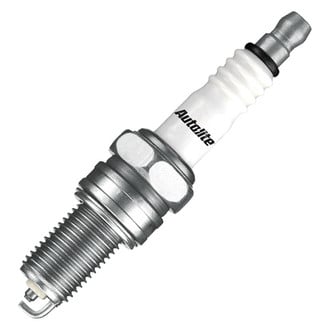
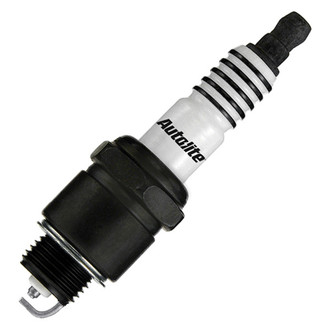
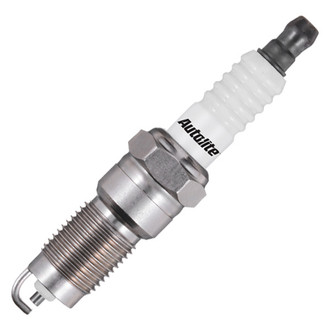
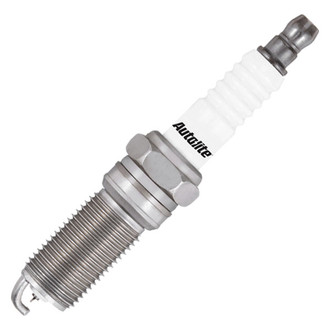
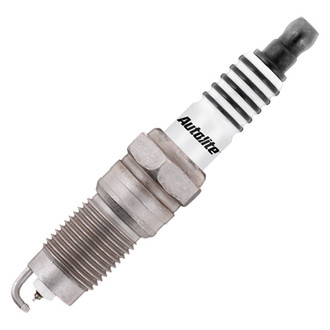
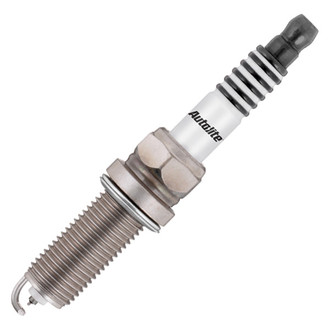
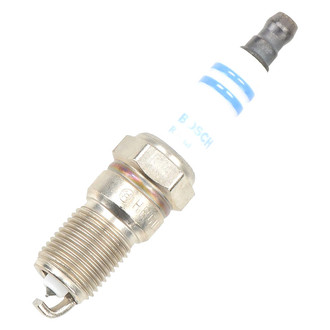
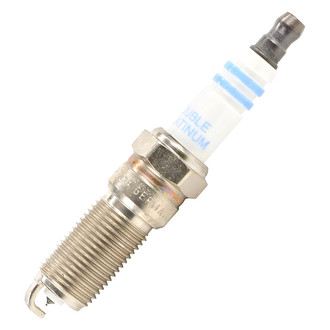
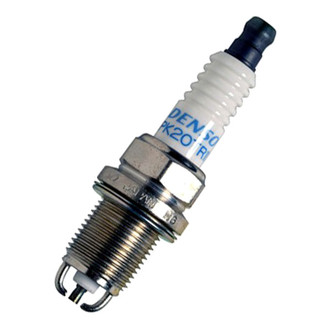
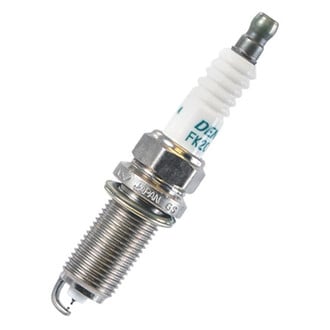
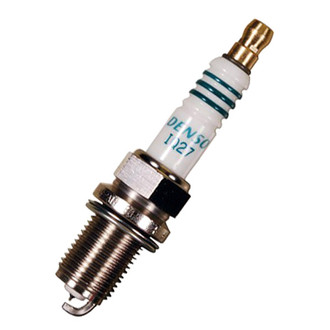
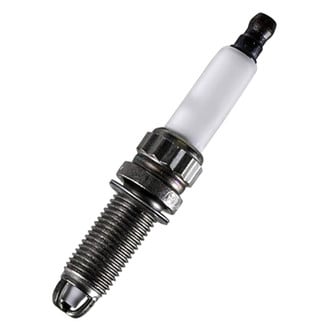
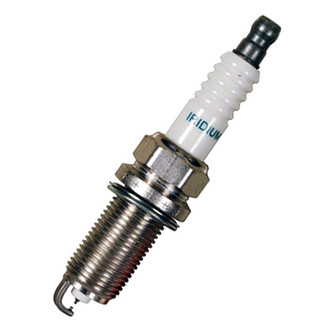
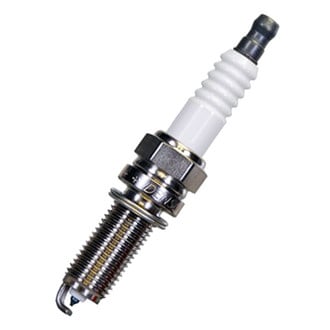
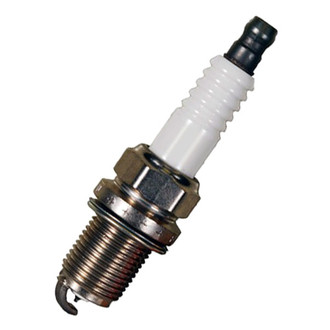
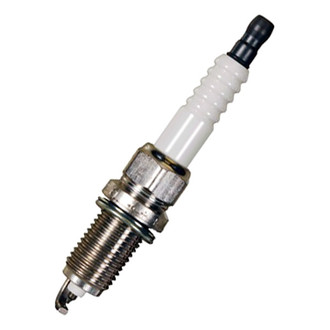
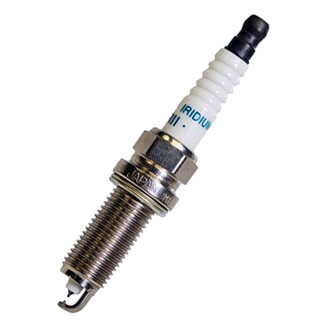
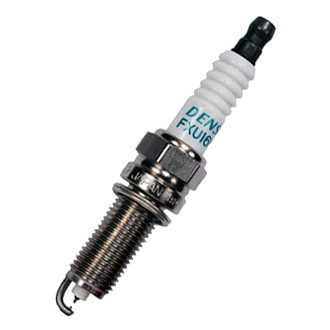
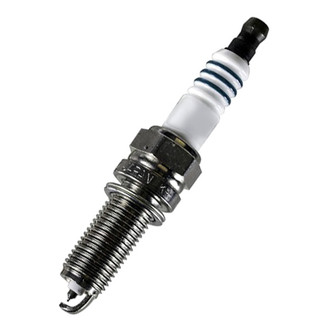
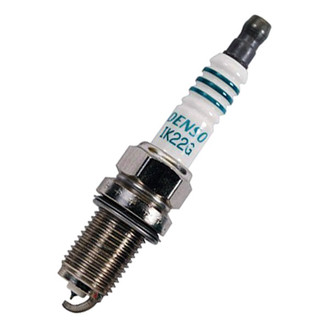
There are too many critical performance parameters of your bike that depend on the condition of spark plugs. Trouble-free starts, gas mileage, emissions, and engine operation are all influenced by these tiny fuel-igniting devices. They do quite an important job and work in extreme conditions, although, spark plugs are one of the most overlooked parts on a motorcycle. They don't get enough attention due in part to the fact that today's spark plugs are way more reliable and durable, and you don't need to keep spares in your pocket every time you go for a ride anymore. But even today's long-lasting spark plugs are expendable items that should be checked at least every 2,000 miles and replaced at certain intervals.
The spark plug's primary job is providing a spark to ignite the explosive air and fuel mixture. The spark appears between two electrodes at its tip, and the distance between these electrodes, also known as the “gap,” must be correctly sized within hundreds of an inch. If the gap varies from the standard set by the manufacturer, this deviation alone can cause poor mileage, misfiring, power loss, etc. You'll never go wrong following spark plug recommendations detailed in your owner's manual. What the manual will also tell you is the exact heat range.
The common misconception is that the heat range somehow controls the engine operating temperature. In reality, the heat range refers to the spark plug's second function – removing heat from the combustion chamber. Each spark plug also acts as a heat exchanger. The difference between “cold” and “hot” plugs is essentially the amount of insulation and its surface area. Hot plugs have a longer and thinner insulator nose and retain more heat. Cold spark plugs have a shorter and thicker insulator nose and dissipate heat easier. Motorcycle engines are smaller than those used in cars, so their spark plugs have different dimensions and heat rating. Typically, motorcycle spark plugs are of a “cooler” variety. Anyway, unless you are an experienced engine builder, sticking to the manufacturer's heat range specs is the right thing to do. If the range is too cold, you can end up with a carbon buildup that won't burn off. If the spark plug is too hot, your motorcycle’s engine can experience pre-ignition and power loss. An overheated spark plug is likely to fail prematurely.
The condition of spark plugs can tell you a lot about your engine health. Remove the spark plug (with the engine cold!) and examine its appearance. Oil deposits, black soot or ash at the tip can indicate wear and tear of internal components including piston rings and valve seats. Physically damaged electrodes or insulation can warn you of some foreign objects in the combustion chamber, hardened deposits, or incorrect spark plug reach. A glazed insulator means the spark plugs are likely to run too hot or the engine temperature goes up suddenly upon a hard launch. If the plug works under normal conditions and is picked correctly, its insulator will be of a brown color and the electrode won't have any signs of excessive wear or damage.
The electrode material has a direct say on the spark plug's longevity. Today's motorcycle spark plugs have their electrode tips made from noble metals like platinum and iridium that ensure about 100,000 miles of spark plug operation as these metals have a much higher melting point than old-fashioned copper. Additionally, there are differently shaped center electrodes that further improve the spark's durability and aid in creating a consistent spark. Whatever your engine's requirements may be, we have the right spark plugs to ensure its efficient performance.